Learn what multimodal transport is, how one contract can combine road, sea, rail or air freight, and the main benefits, risks and planning steps.
What is multimodal transport?
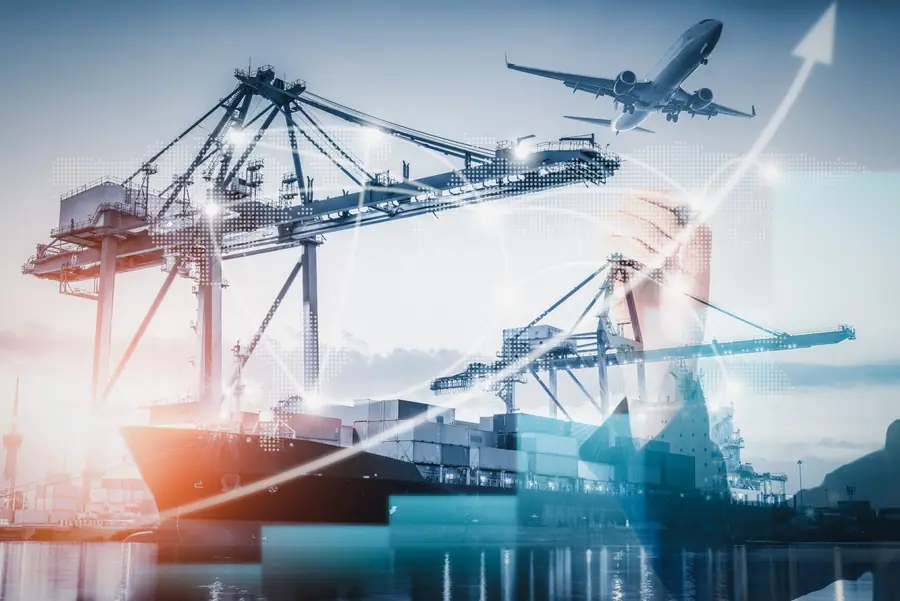
Multimodal transport moves one shipment using two or more modes—such as road and sea—under one coordinated transport arrangement. It is designed around the complete origin-to-destination journey.
- Best suited to
- Door-to-door international movements where one transport mode cannot serve the full route efficiently.
- Main benefit
- One coordinated plan can balance reach, capacity, transit time, cost and resilience.
- Main risk
- Every transfer point adds handling, timing and documentation dependencies that must be managed.
- Planning inputs
- Cargo dimensions, deadline, route, customs, mode restrictions, handovers and contingency options.
- Multimodal vs intermodal
- The terms overlap in everyday use, but contractual responsibility and whether the loading unit changes can differ.
The business landscape of today has become crowded and competitive, so in order to stay ahead businesses must adopt efficient logistics and supply chain management. Businesses are often looking for ways to improve their supply chain by making it more cost-effective and reliable. One of the ways they can achieve this is by using multimodal transport solutions.
Let’s dive into multimodal transport, what it is, the advantages and disadvantages and how it can help improve supply chains and logistics.
What does multimodal transport mean?
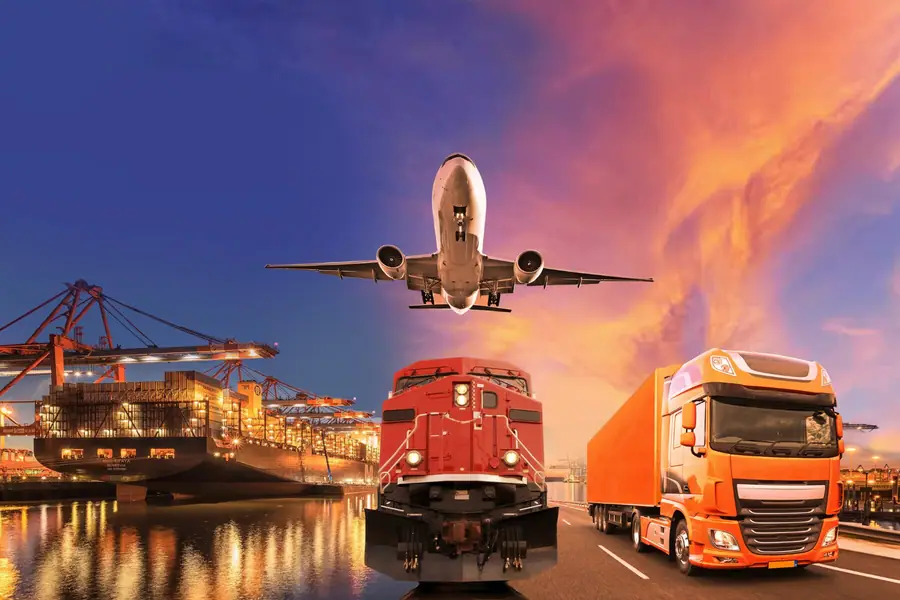
Multimodal transport moves goods using at least two different modes, such as road and sea. It may be arranged under one multimodal contract or through separate mode-specific contracts, depending on the shipment.
A freight forwarder can coordinate the complete chain, including the mode changes, documents and handovers between operators. For instance, goods may be transported by sea, rail and road all in one shipment.
What are the modes of multimodal transport?
The effectiveness of multimodal transport relies on the ability to seamlessly and efficiently coordinate various transport modes. Below are the primary modes that are typically used in multimodal transport to move goods internationally.
Road Freight
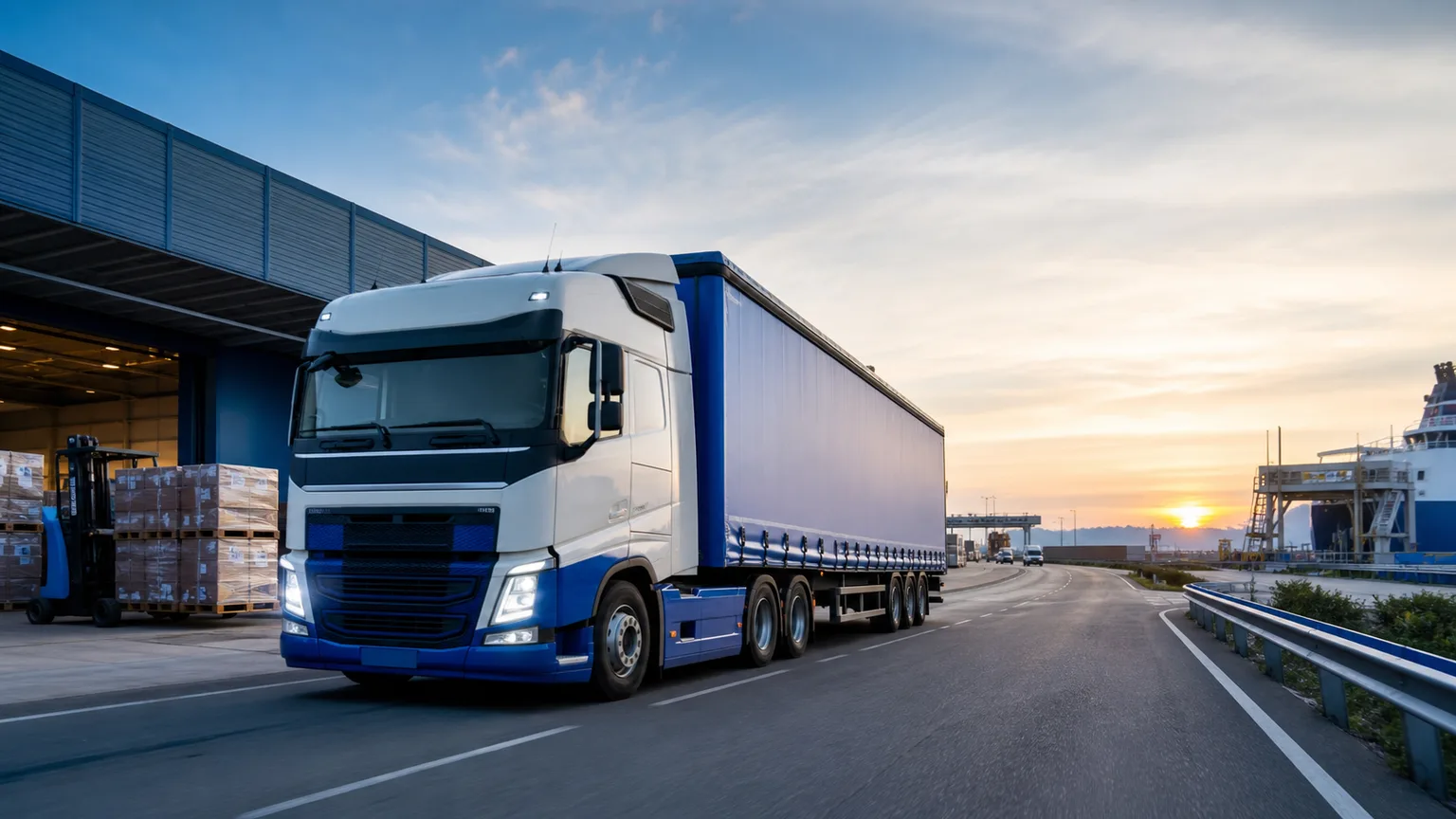
Road freight plays an important role in multimodal transport. It is often the starting point or end point of a shipment and the likelihood is that all multimodal shipments will use road freight at some point.
Road freight is highly accessible and flexible thanks to the vast networks of motorways and roads across continents. Trucks are able to navigate even the most rural of areas, allowing goods to be delivered directly to doorsteps.
Rail Freight
Rail freight is another commonly used method in multimodal transport as it is designed to move bulky cargo across vast distances efficiently and quickly. Additionally it offers a more sustainable option compared to other freight transport methods.
Rail freight networks are often well-integrated with ports and terminals, making it seamless to transition goods between sea, road and air freight.
Sea Freight
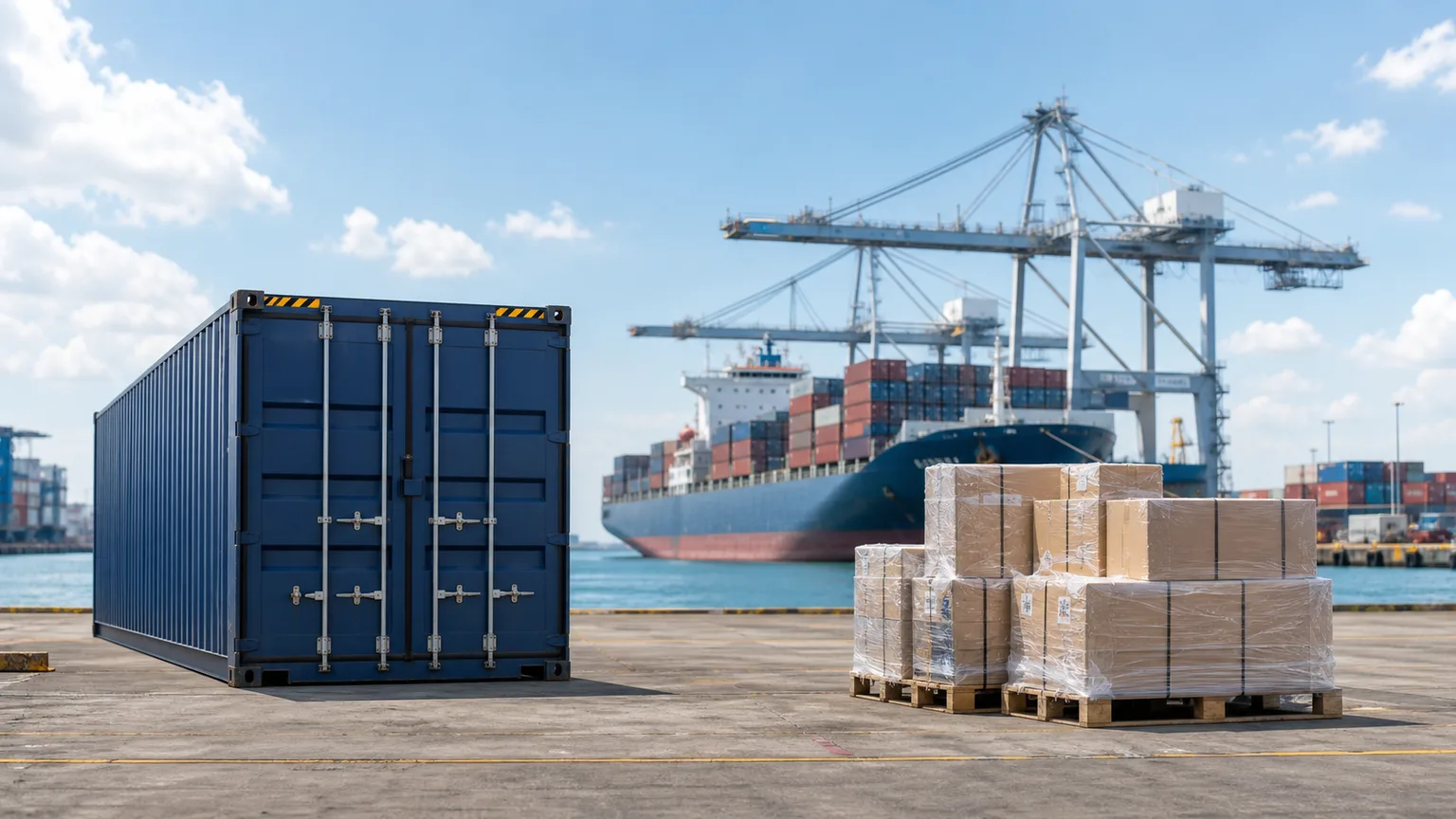
Sea freight is the preferred transport option for carrying large, bulky cargo from one continent to another. Shipping by sea may be slow paced but it is also one of the cost-effective transport methods.
Sea ports act as gateways to highways and rail networks to seamlessly connect maritime transport with inland logistics.
Air Freight
Air freight is known for being a fast, reliable and efficient transport method. It is best used for shipping time-sensitive deliveries such as food, medicines and flowers.
Thanks to a network of airports worldwide, deliveries can be made to destinations globally, even in remote locations when combined with road freight.
What is the difference between intermodal and multimodal transport?
When it comes to transporting goods, understanding the difference between intermodal and multimodal transport is crucial for efficient logistics management. Both use more than one mode. Intermodal transport is a type of multimodal movement where the goods stay in the same loading unit or vehicle as the mode changes; the contract can be single or mode-specific.
For example, a sealed container can move by road, rail and sea while the goods inside remain untouched at each terminal. The practical commercial difference depends on who controls the contracts and handovers, so businesses should confirm responsibility, liability and tracking for the full route.
What are the benefits of multimodal transport?
Choosing to ship goods via multimodal transport can come with a host of benefits
including:
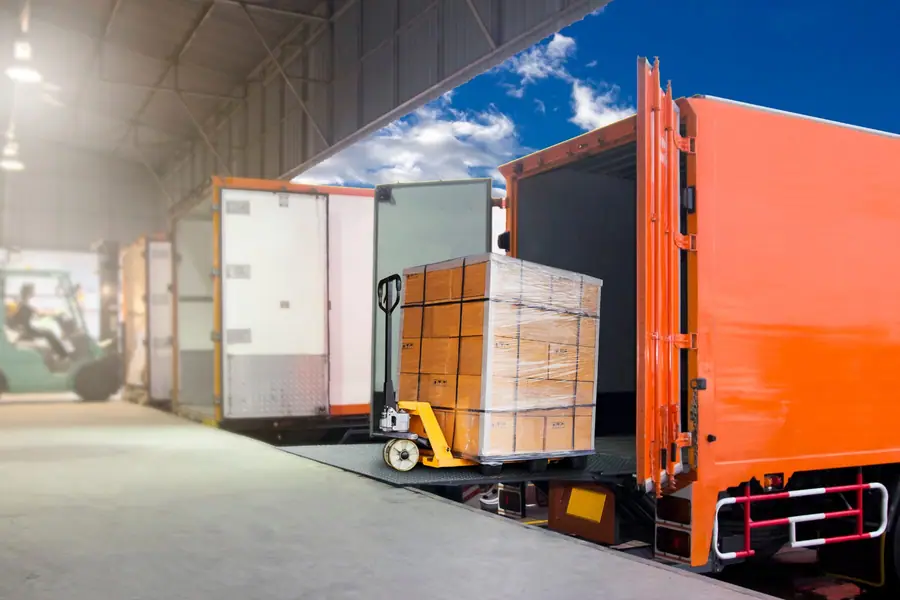
● When the journey is arranged through one lead freight forwarder, the shipper has one coordination point for routing, documents and handovers. The contract should still state who is responsible at each leg.
● Multimodal is a more flexible transport method and meeting deadlines becomes more achievable. If one transport method sees delays then another can be used instead to ensure timely delivery of goods.
● Even the remotest of areas can be reached when using multimodal transport. For instance, when combining air freight with road freight, goods can be delivered directly to the consignee’s door.
● A multimodal plan may reduce transport emissions when it replaces a suitable long road leg with rail, inland waterway or short-sea transport. The actual result depends on route, equipment, load factor and handling.
What are the challenges of multimodal transport?
Whilst multimodal transport has its benefits, it can come with its challenges too:
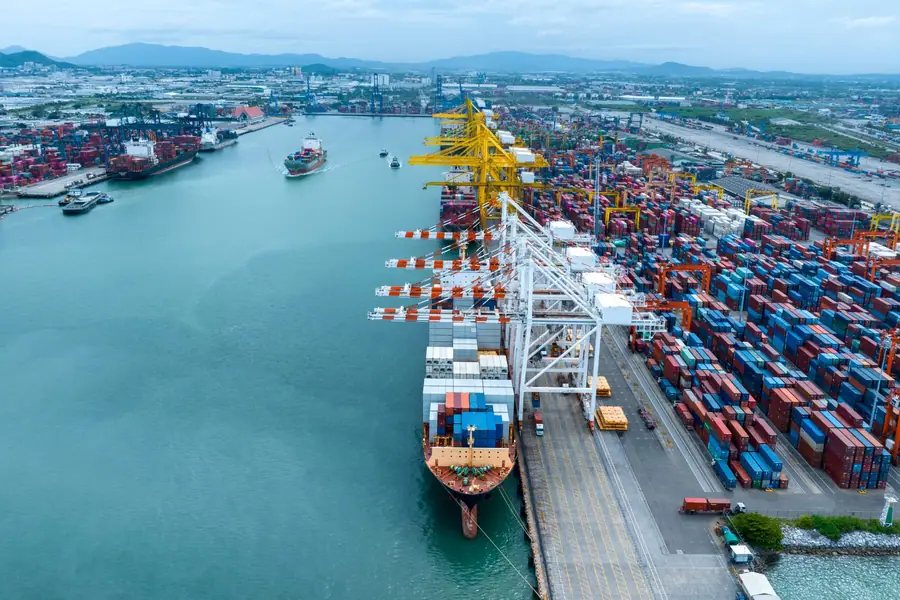
● With multiple transport methods going on, there’s a lot of logistical operations to manage and organise as consignors need to keep on top of shipments as they travel via different modes. This is why It’s important to establish clear and consistent communication with your freight forwarder.
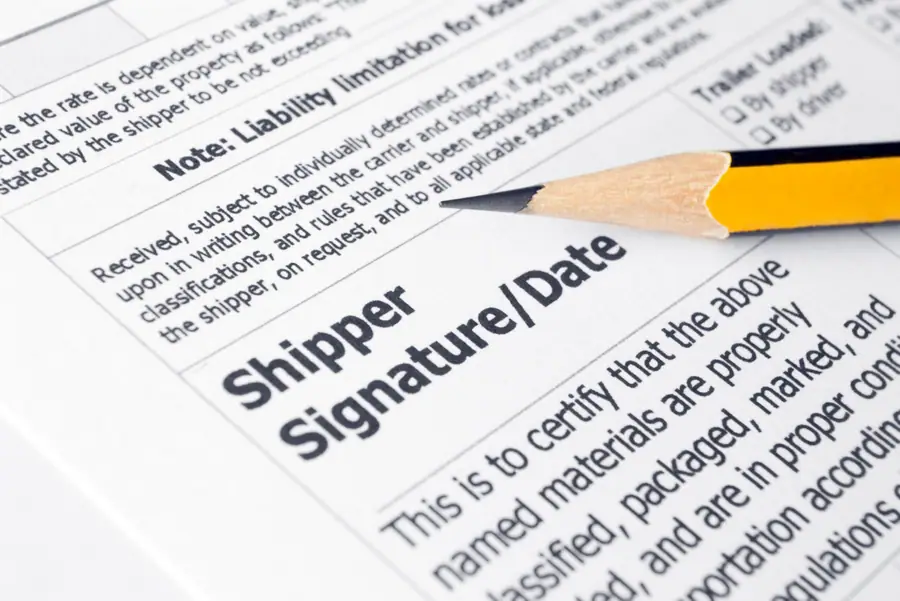
● As cargo travels across different transport types, various documentation and custom permits are required. This can add a layer of complexity to supply chains as each shipment method has its own requirements and regulations that require greater planning and coordination.
● Every handover needs a clear milestone, responsible operator and exception route. Tracking detail varies by carrier and mode, so agree which updates will be available before booking rather than assuming universal real-time visibility.
Multimodal transport services from Jenkar
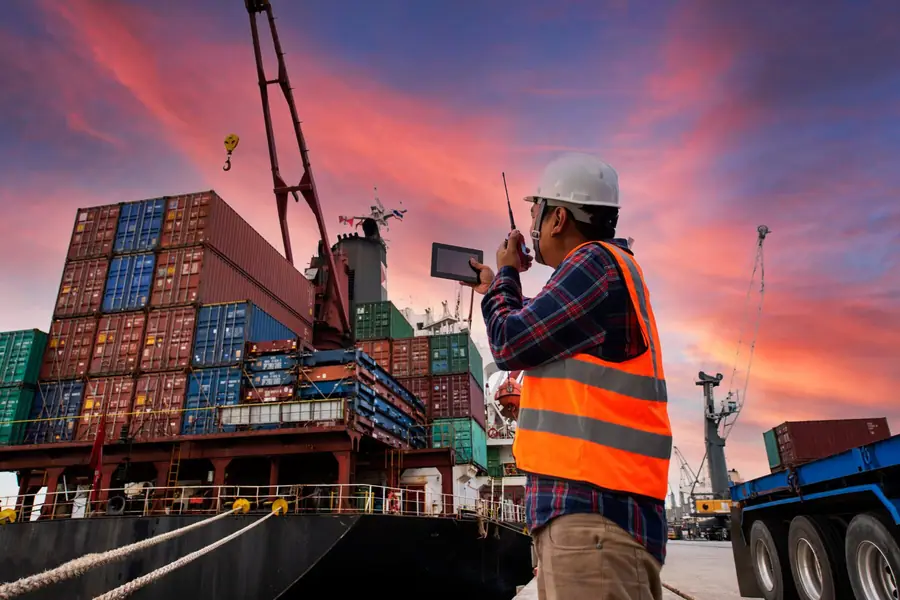
A multimodal movement can simplify logistics when one lead forwarder coordinates the complete journey under an agreed scope. This can streamline operations and reduce supply chain complications by communicating with a singular, trusted contractor or freight forwarder.
At Jenkar Shipping, we can be that trusted freight forwarder than your supply chain needs. Our team coordinates multimodal freight around the cargo, route, deadline, documents and handovers, with one named point of contact for the planned journey.
We understand that each shipment is unique and we pride ourselves on offering tailored solutions to meet your specific logistics needs. Whether you’re transporting perishable goods, oversized equipment, or time-sensitive cargo, our multimodal transport services are designed to provide the flexibility and reliability you require. Your named contact will explain which carrier milestones and shipment updates are available for the selected route.
Optimise your supply chain operations with multimodal transport services from Jenkar Shipping today. Get in touch with a member of our friendly team to start planning your journey.