A practical guide to choosing between FCL and LCL sea freight, covering cost, timing, cargo size, handling, customs and onward delivery.
FCL vs LCL sea freight: what is the difference?
When sending goods by sea, one of the first decisions is whether to use FCL or LCL shipping. Both are common options, but they suit different shipment sizes, budgets and operational needs.
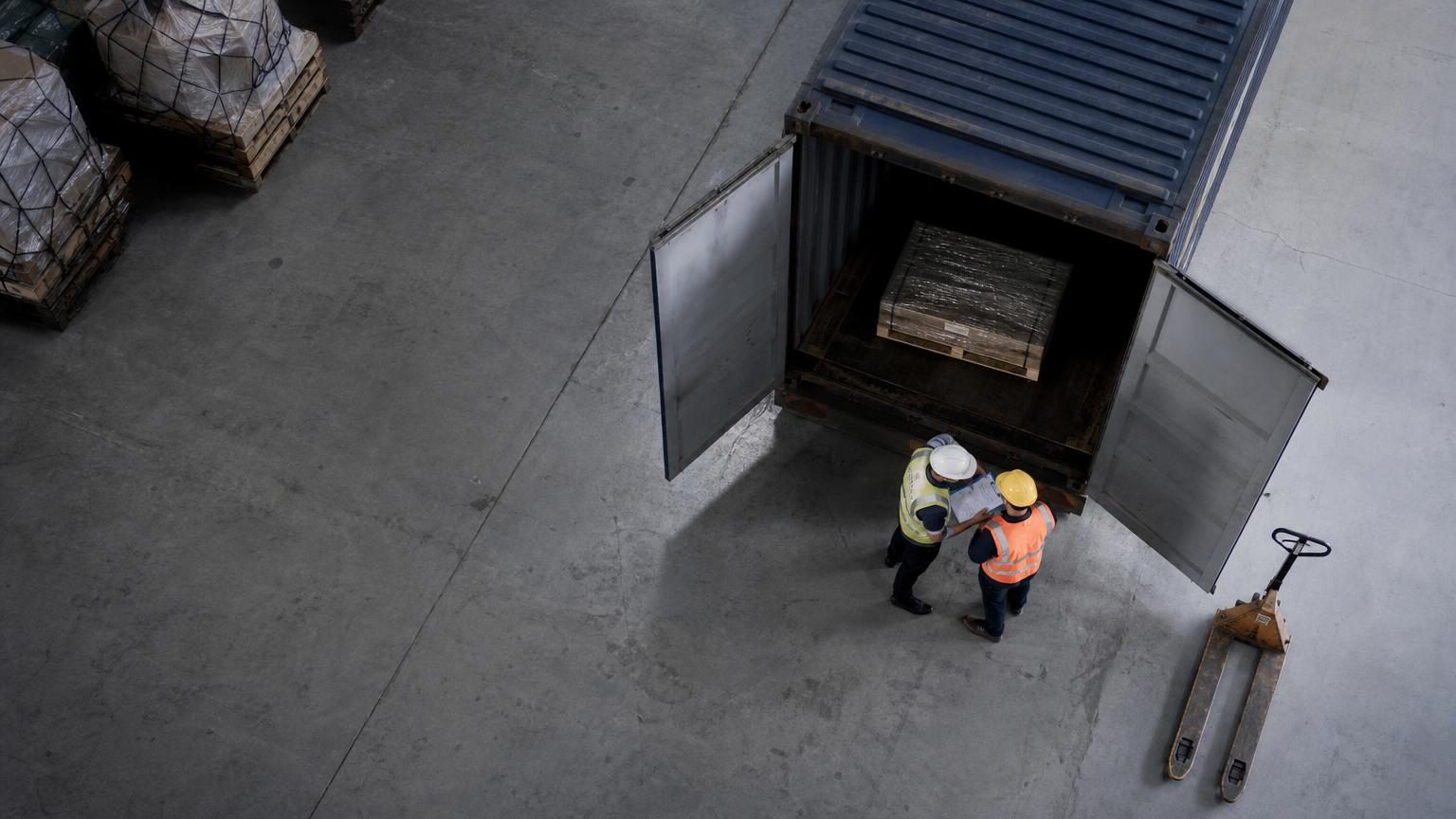
FCL stands for Full Container Load. This means your goods are booked into a dedicated container, even if the container is not completely full. The container is usually sealed after loading and remains dedicated to your shipment until it reaches its destination or onward handling point.
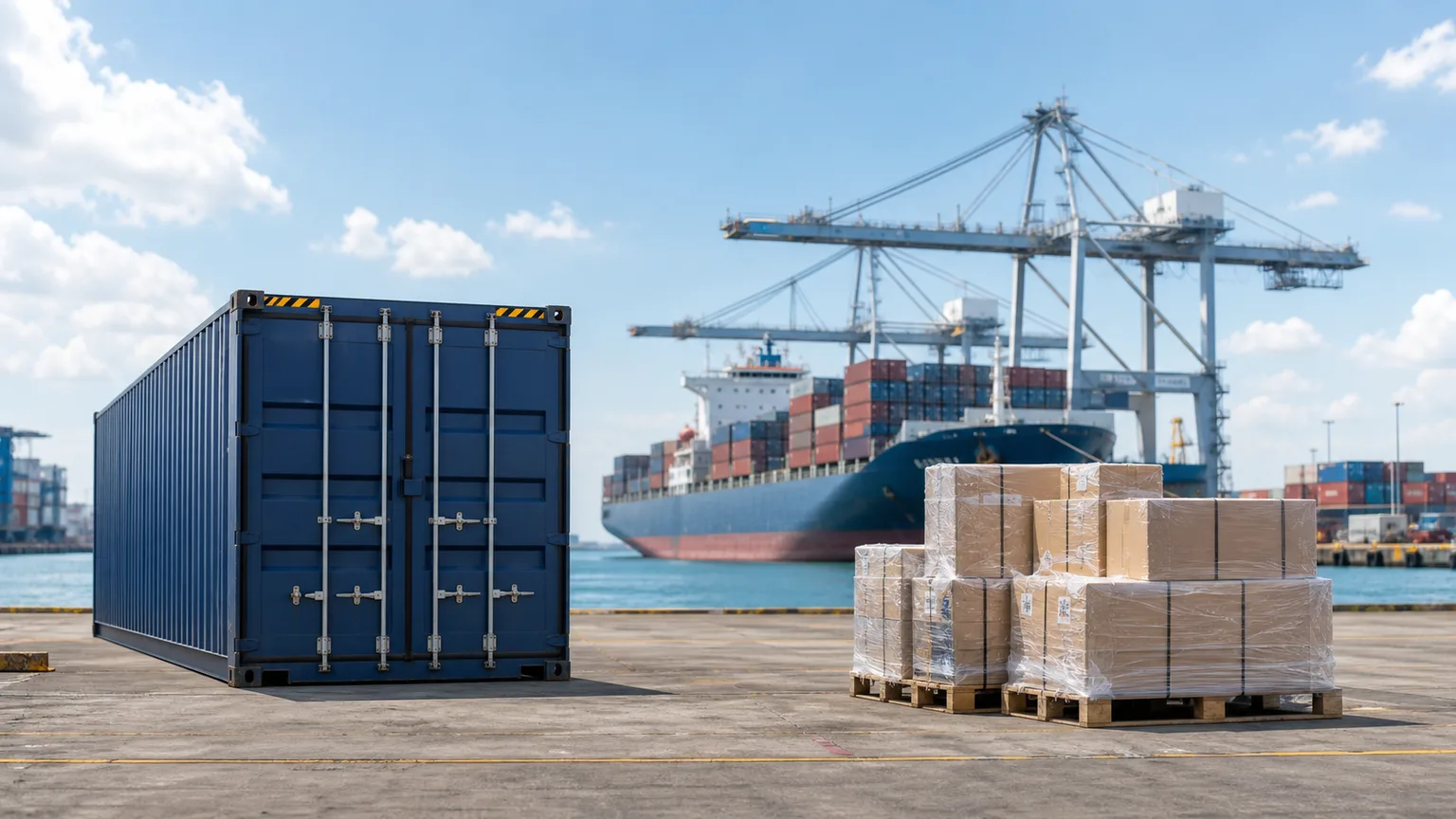
LCL stands for Less than Container Load. This means your goods share container space with cargo from other businesses. Your shipment is consolidated with others, moved by sea, then separated again at destination before final delivery.
Neither option is automatically better. The right choice depends on how much you are shipping, how urgently it needs to move, how sensitive the goods are, and how much control you need over the journey. Jenkar supports customers with both options through its sea freight services, helping businesses choose the route that fits the shipment rather than forcing a one-size-fits-all answer.
When FCL sea freight usually makes sense
FCL is often the better choice when you have enough goods to justify most or all of a container. It can also be the right option when the cargo is high value, fragile, awkward to handle, or needs a more controlled movement from origin to destination.
Because the container is dedicated to one shipper, FCL usually involves less handling than LCL. That can reduce the risk of damage, delays or confusion during consolidation and deconsolidation. For businesses moving regular stock, retail goods, manufacturing components or larger export orders, this extra control can be valuable.
Typical reasons to choose FCL
- You are shipping a larger volume of goods.
- You want a dedicated container for security or simplicity.
- Your cargo is fragile, high value or difficult to handle.
- You need fewer touchpoints during the journey.
- Your shipment is time-sensitive enough to avoid consolidation delays.
- You want a simpler container-level movement from origin to destination.
FCL can also be commercially sensible even if the container is not completely full. Once an LCL shipment reaches a certain size, the combined charges can come close to, or sometimes exceed, the cost of booking a full container. At that point, paying for FCL may give you more control for a similar overall cost.
When LCL sea freight usually makes sense
LCL is useful when you do not have enough cargo to fill a container, but still want the cost advantage of sea freight compared with air freight. It allows businesses to move smaller shipments internationally without paying for unused container space.
This can work well for first orders, sample stock, smaller replenishment shipments, seasonal goods, or businesses testing a new supplier or market. Instead of waiting until you have enough volume for a full container, LCL lets you ship a more practical quantity.
Typical reasons to choose LCL
- You are shipping a smaller quantity of goods.
- You want to avoid paying for a full container.
- Your shipment is not urgent enough to require air freight.
- You are testing a new supplier, product line or market.
- Your goods can tolerate normal shared-container handling.
- You want a flexible option for irregular shipment volumes.
The trade-off is that LCL usually involves more handling. Goods need to be grouped with other shipments before departure and separated again after arrival. This can add time and creates more touchpoints. For robust cargo, this is often acceptable. For delicate, urgent or complex shipments, it needs closer thought.
Cost: which option is cheaper?
For smaller shipments, LCL is usually more cost-effective because you only pay for the space your goods use. Charges are commonly based on volume, weight and the services needed at origin and destination.
For larger shipments, FCL can become better value. Even if you do not fill the container completely, the simpler movement and dedicated space may make commercial sense. The important point is to compare the total landed cost, not just the sea freight line.
That means looking at collection, origin charges, sea freight, destination charges, customs clearance, port handling and final delivery. A shipment that looks cheaper at the freight quote stage can become less attractive once the full movement is included.
Timing and reliability
FCL can be more straightforward from a timing perspective because the container does not need to wait for other cargo to be consolidated in the same way. Once loaded and ready, it moves as a dedicated unit.
LCL can still be reliable, but the consolidation process may add time before departure and after arrival. This matters if your business is working to a fixed delivery window, production schedule or customer deadline.
If the shipment is urgent, but too small for FCL, it may be worth comparing LCL with air freight. Air freight is usually more expensive, but for high-value or time-critical goods it can be the better business decision. The right answer depends on the cost of delay as much as the freight price itself.
Handling, risk and cargo suitability
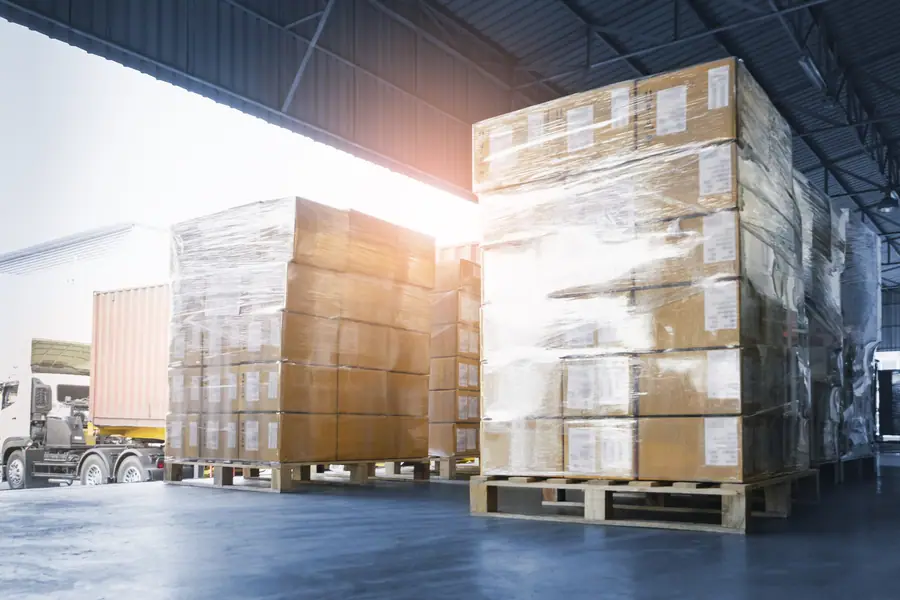
Goods that are robust, well packed and easy to handle are often well suited to LCL. Standard cartons, palletised stock and non-fragile commercial goods can move effectively this way when packed correctly.
FCL is usually better where cargo needs extra protection or simpler handling. This might include fragile goods, high-value stock, machinery, oversized items, or shipments where contamination, misrouting or damage would create a serious problem.
Packing still matters in both cases. Sea freight involves movement, lifting, port handling and changing conditions. Whether using FCL or LCL, goods should be packed for the full journey, not just for loading at the supplier's premises.
Customs and documentation
Both FCL and LCL shipments need accurate documentation. This may include commercial invoices, packing lists, bills of lading, commodity codes and any product-specific paperwork required for import or export.
The customs process is not automatically harder with either option, but LCL can sometimes involve more coordination because your goods are moving alongside other consignments. Clear paperwork helps avoid delays, especially when shipments are being unpacked and released at destination.
Jenkar can support the freight movement and the customs side together, which helps keep the process joined up. For many businesses, this is where practical freight advice makes the biggest difference: fewer surprises, clearer responsibilities and a smoother route from supplier to delivery point.
Do not forget onward transport
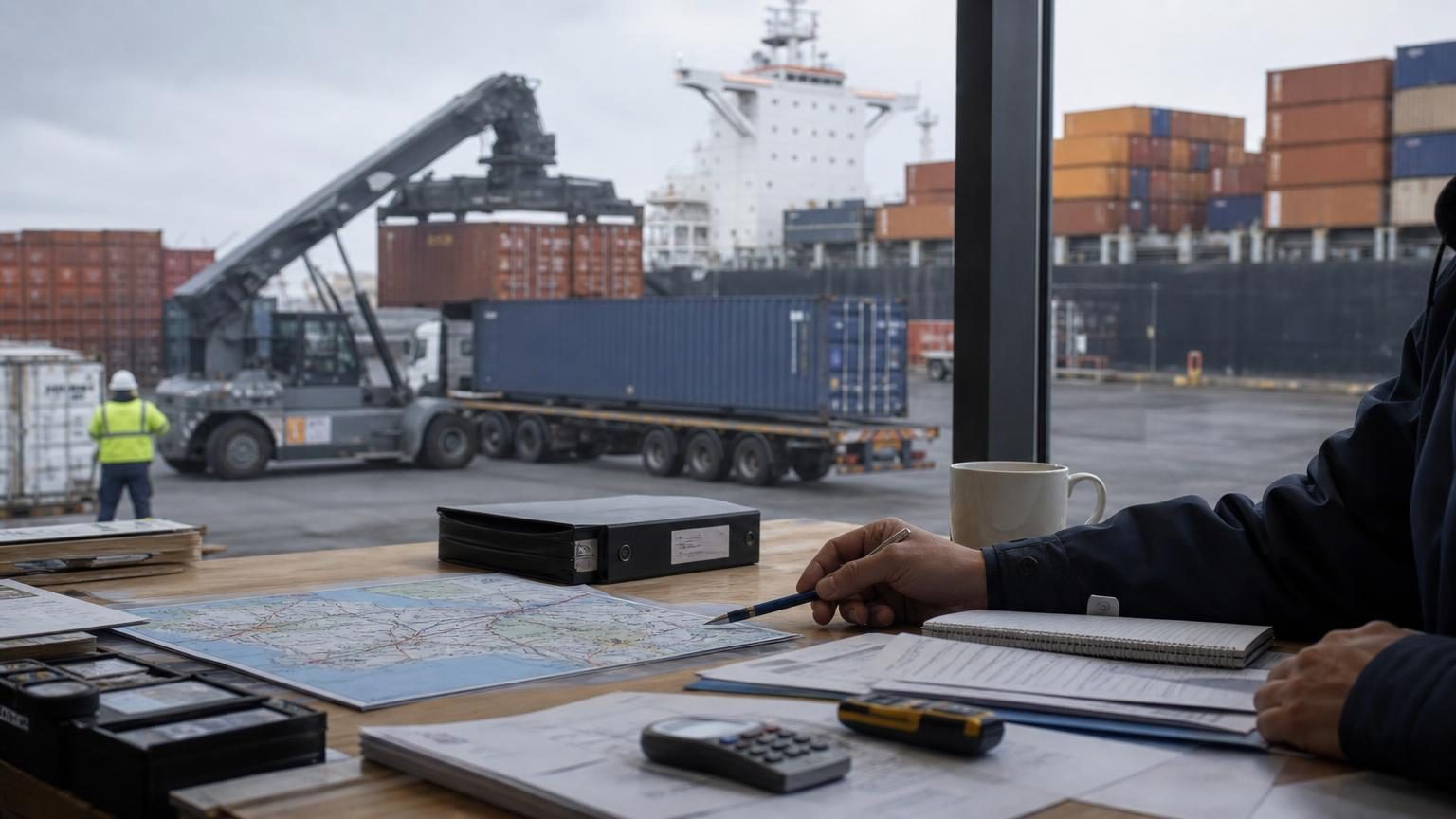
The sea journey is only one part of the movement. Once goods arrive at port, they still need to reach your warehouse, customer, site or fulfilment partner. This onward leg can affect the best choice between FCL and LCL.
With FCL, the container may be delivered directly for unloading, depending on the delivery setup and site access. With LCL, goods are usually unpacked from the shared container first, then delivered as pallets, cartons or part-load freight.
If your shipment needs UK or European delivery after arrival, it is worth planning this early. Jenkar's road freight services can support the final leg, helping connect the port movement with the practical delivery your business actually needs.
A simple way to decide
If your shipment is small, flexible on timing and safely packed, LCL may be the right option. If your shipment is larger, more sensitive, more urgent or needs tighter control, FCL may be better.
As a rough decision framework, ask yourself:
- How much cargo am I shipping?
- Would the goods benefit from a dedicated container?
- How much handling can the shipment tolerate?
- Is the delivery date flexible or business-critical?
- What is the full cost from supplier to final destination?
- Do I need customs and onward delivery handled together?
The best freight option is the one that protects the goods, supports the deadline and makes commercial sense across the whole movement.
Speak to Jenkar about the right sea freight option
Choosing between FCL and LCL does not need to be complicated, but it does need the right information. Shipment size, cargo type, route, timings, customs requirements and final delivery all shape the answer.
If you are planning an import or export and want a clear recommendation, Jenkar can help you compare the options and choose the most practical route. Get in touch through the contact page and the team will help you decide whether FCL, LCL or another freight option is the right fit for your shipment.