Dock workers at U.S. East and Gulf Coast ports began strike action on 1 October. Learn what it means for freight and supply chains.
As of Tuesday 1st October, dock workers at ports across the U.S. East and Gulf Coasts are on
strike against their employers. The strikes come as a result of negotiations between The
International Longshoremen’s Association (ILA) and U.S. Maritime Alliance (USMX), where both organisations have been trying to settle on a new master contract.
The ILA have been negotiating for a higher wage increase and better health care benefits back and forth with USMX up until late Monday night (30th September), when the union’s deadline for a strike expired. But what effect will this have on supply chains, especially during peak shipping season?
Everything To Know About The Strike
The ILA is the largest union of maritime workers in North America and represents upwards of
85,000 longshoremen across the continent, including the U.S. East and Gulf coasts. The USMX represents the employers of the East and Gulf Coast longshore industry and have been overseeing the negotiations between a new contract agreement with the ILA. The ILA demanded that the new contract include a significant wage increase, a higher starting wage and premiere health care benefits, however, negotiations fell through and the strike commenced
This is the first strike by the ILA since 1977. The union has said that 25,00 container and Ro-Ro
workers and a total of 45,000 union employees will strike, setting up pickets at 36 ports from
Texas to Maine. These ports handle more than 56% of the U.S.’ ocean freight per year.
It’s estimated that the strike could cost the U.S. economy a staggering $5 billion a day. Nearly
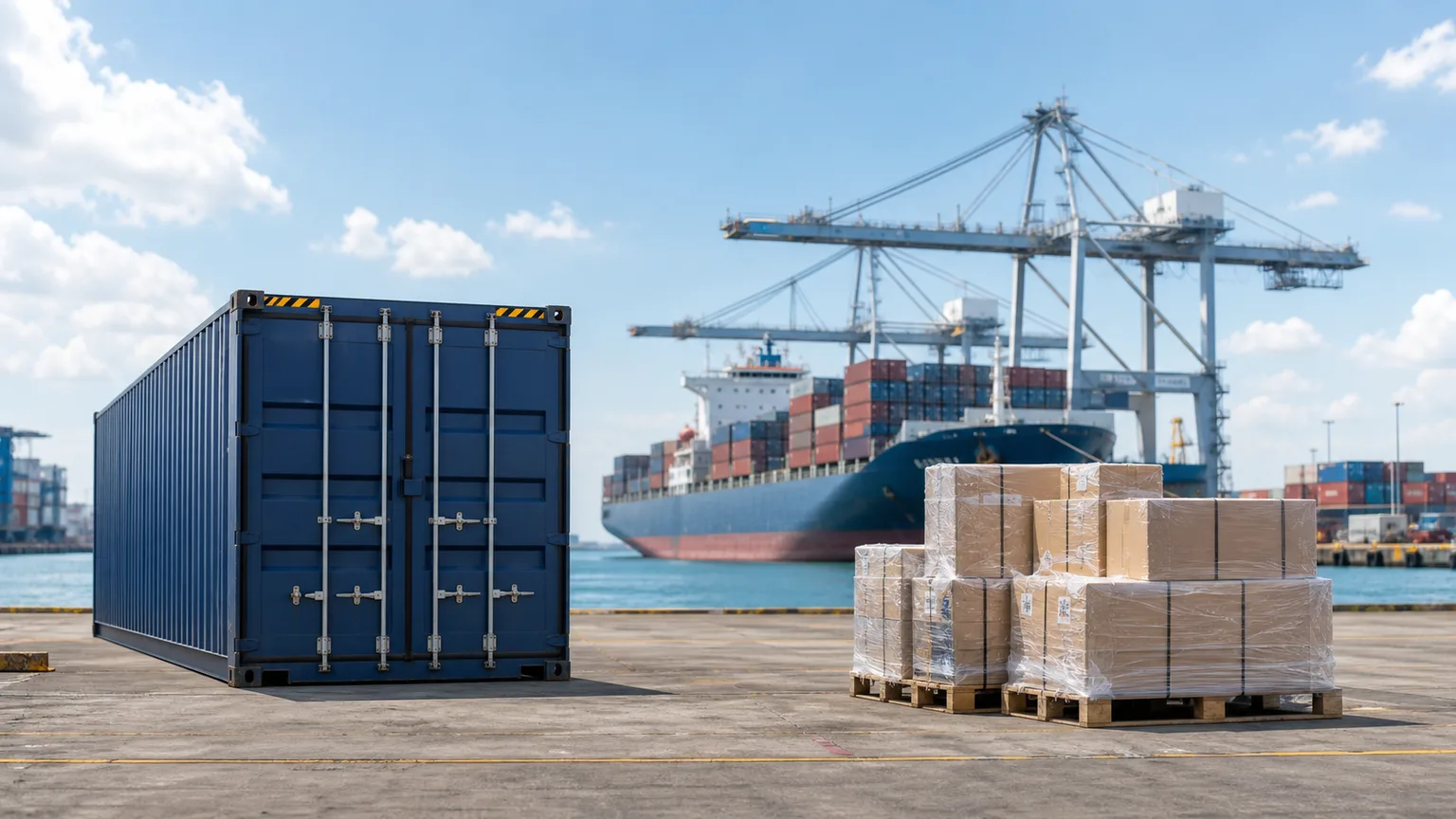
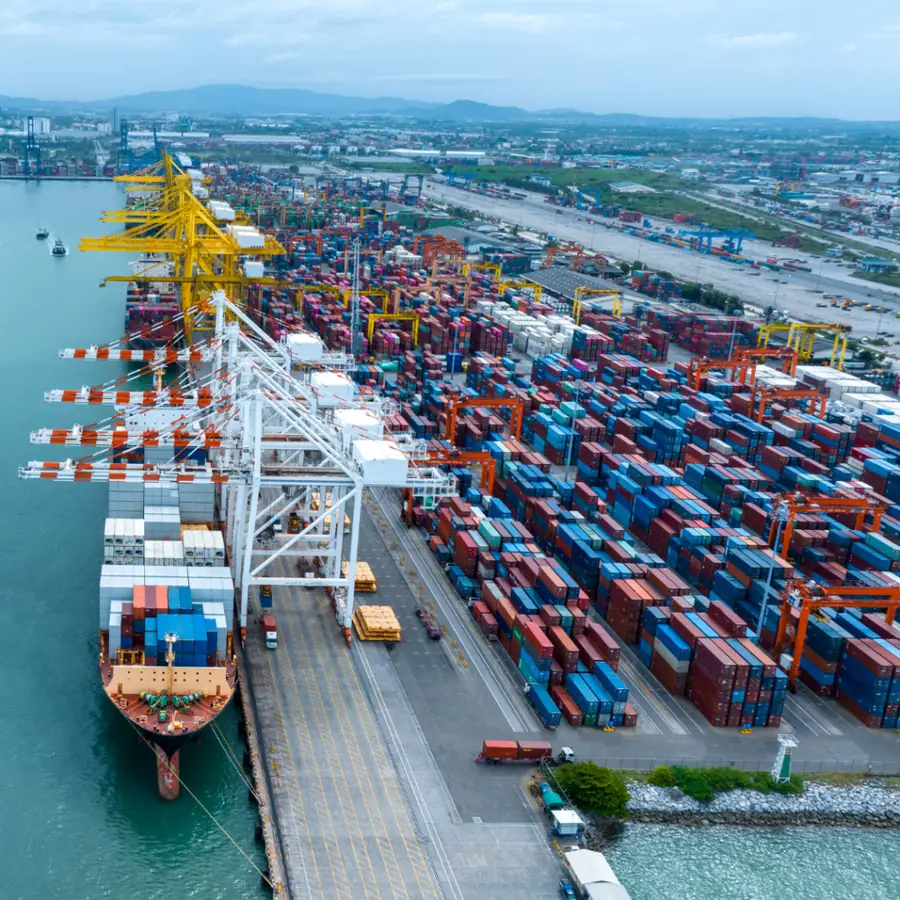
100,000 containers are expected to remain stored at The Port of New York and New Jersey until the strike has ended. 35 ships are expected to arrive at the port over the next week however they will remain at anchor during the strike.
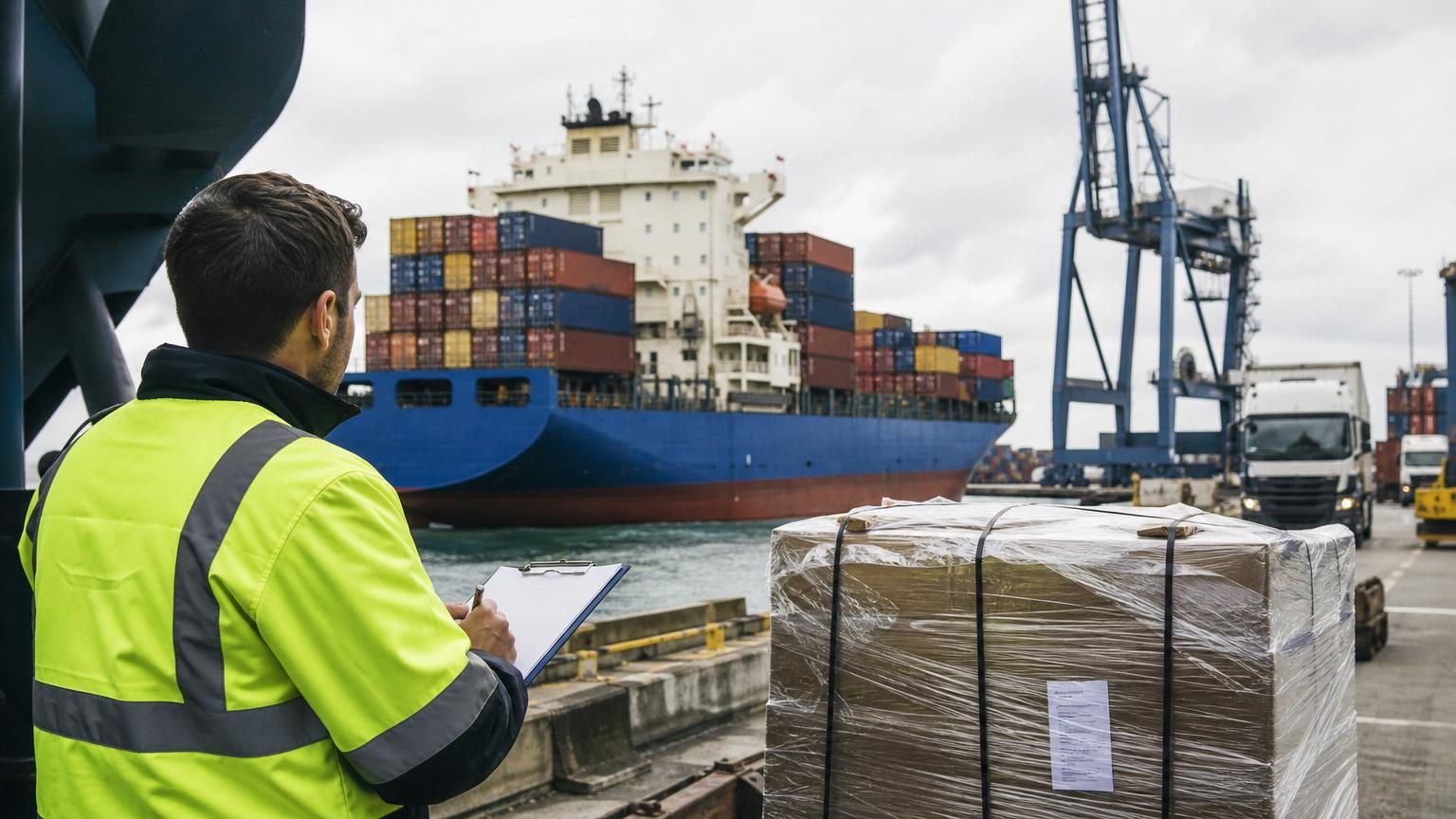
Shipments of food, retail goods and other products will be disrupted from busy terminals such as New York, Baltimore and Houston.
Expected Impact
Those who depend on ocean freight for their supply chain operations have already been hit hard this year due to conflict in the Red Sea. Unfortunately, this latest strike will only add to logistical problems for businesses, especially during peak shipping season.
Delays and disruptions to supply chains across the globe are inevitable and we’ll likely see an increase in shipping costs. Companies and carriers who regularly ship to port terminals on the East and Gulf coasts will have to reroute cargo to alternative ports. This could lead to increased transportation costs and longer delivery times. With thousands of goods waiting to be unloaded in the U.S., this will inevitably lead to a backlog of shipments and create bottlenecks, causing further delays even after the strikes have ended. Maersk has warned that even a one-week strike could take four to six weeks for supply chains to recover from.
Alternative transportation methods, such as air freight, will also have to be sought after. This will put extra demand on the air cargo industry and securing space on aircrafts will be competitive. Air freight rates will rise as businesses look to expedite their shipments via this transportation method.
If you’re worried how the U.S. port strikes will affect your supply chain, please get in touch with a member of our team to see how we can help you navigate these disruptions. At Jenkar, we remain committed to making sure our customers’ requirements are met and that we are providing a reliable and trustworthy service, ensuring your cargo gets where it needs to go.