Choosing between groupage and full load road freight depends on factors such as cost, speed, volume, control, and risk. This article compares these options to help operations managers, business owners, and supply chain V
Understanding Groupage and Full Load Road Freight
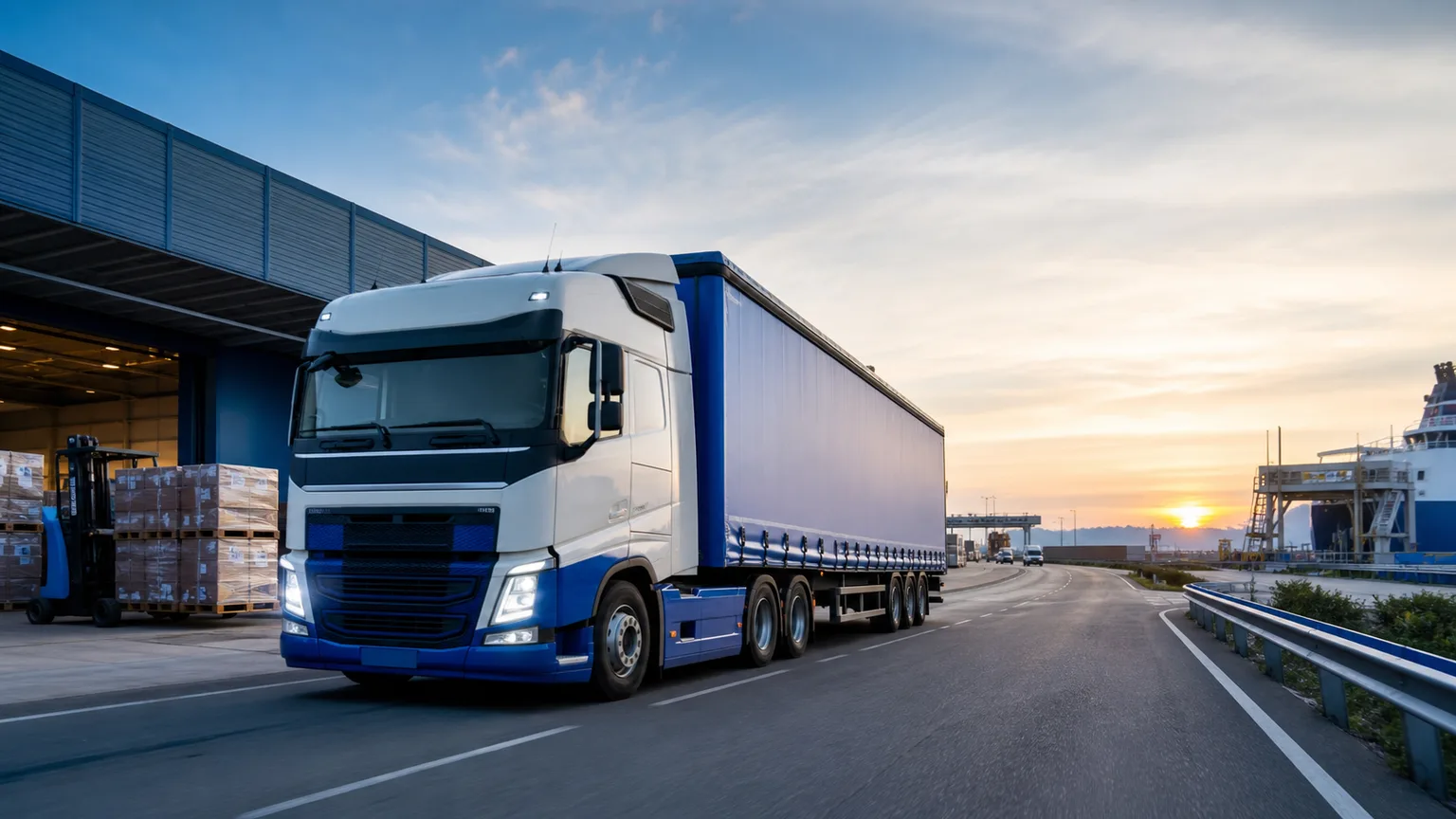
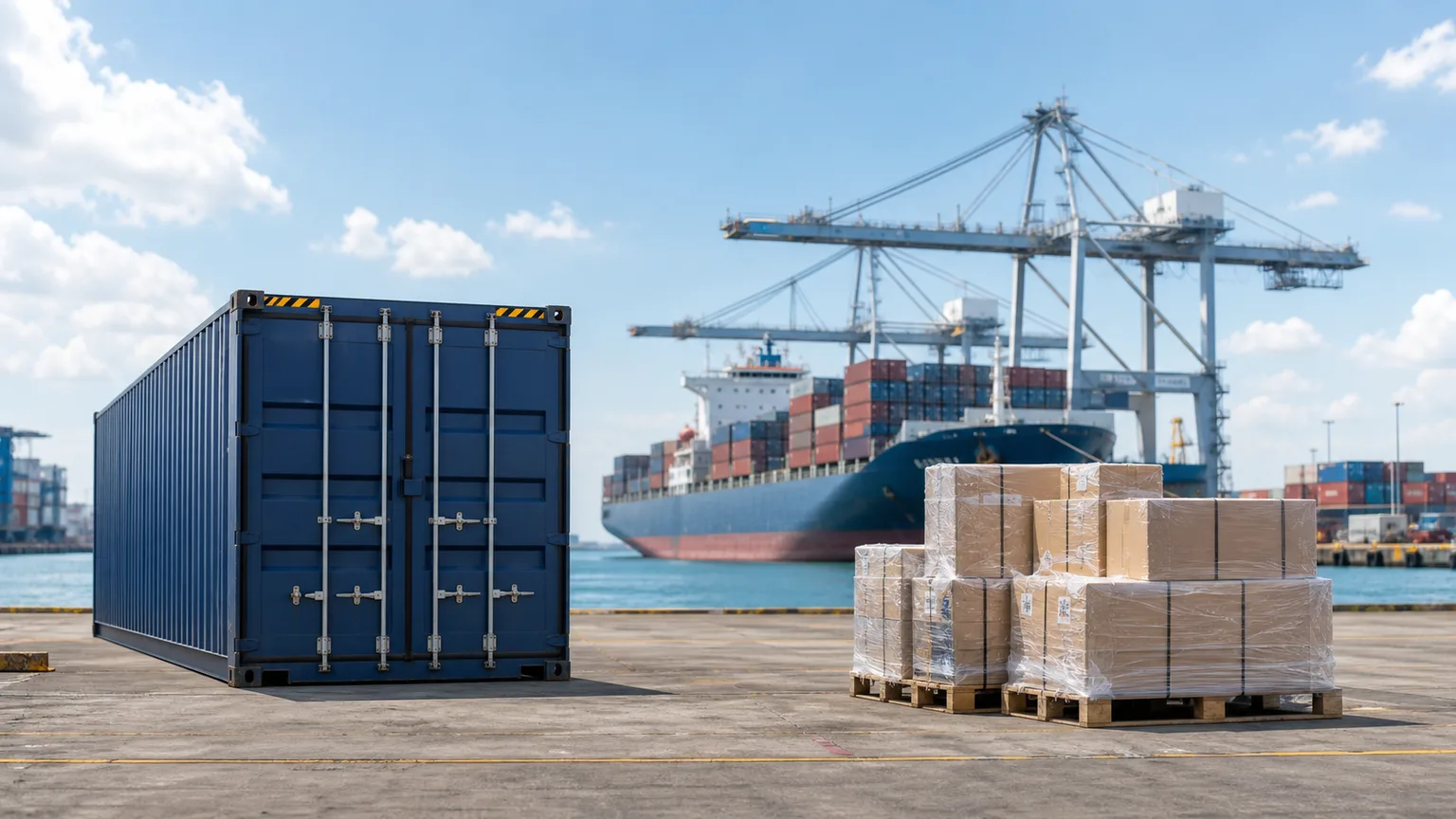
When shipping goods by road, you generally have two main options: groupage (part load) and full load freight. Groupage means your cargo shares space with other customers' goods in the same vehicle, while full load means your shipment fills the vehicle exclusively.
Comparing Cost
Groupage is typically more cost-effective for smaller shipments since you split the transport cost with others. Full load freight often has a higher headline price but can be more economical per unit if your shipment is large enough to fill a vehicle.
Speed and Transit Time
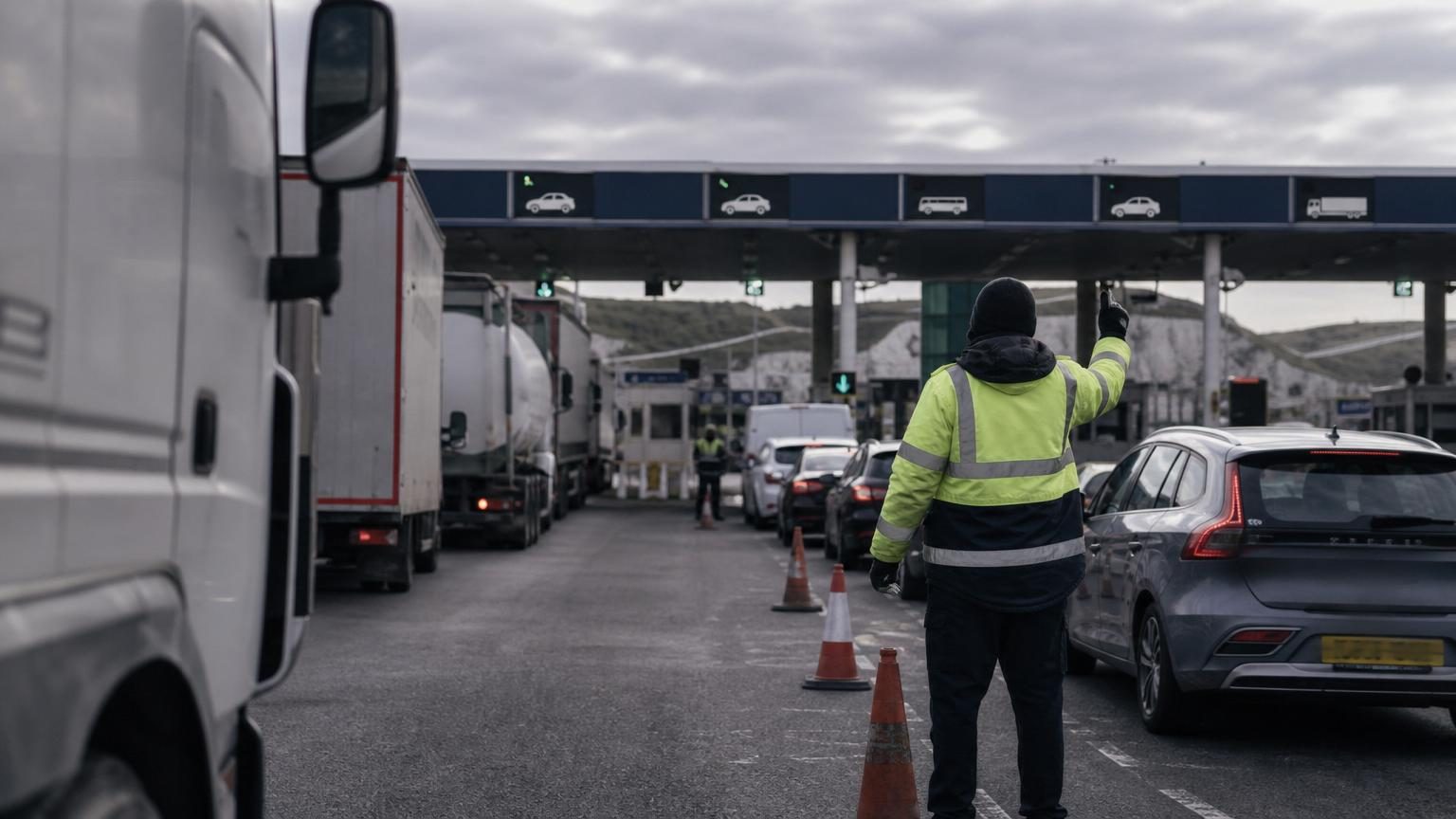
Full load road freight tends to be faster because the vehicle travels directly to your destination without multiple stops. Groupage shipments may take longer due to additional handling and stops to pick up or drop off other consignments.
Control and Flexibility
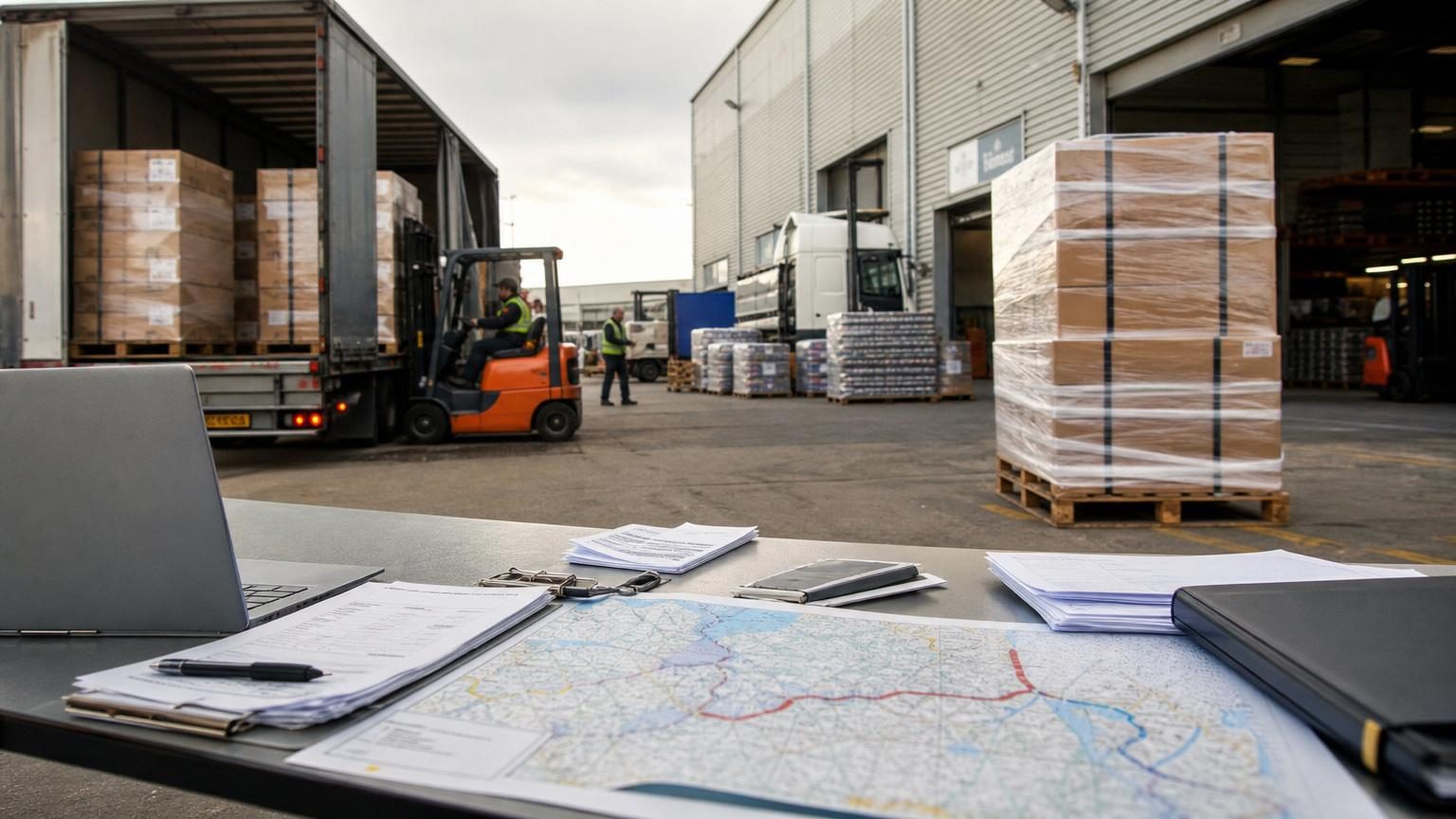
With full load, you have greater control over loading, timing, and handling. Groupage means less control, as your cargo moves with various shipments on a fixed schedule set by the forwarding company.
Risk and Security
Full load shipments usually involve less handling, reducing the risk of damage or loss. Groupage cargo moves more frequently, potentially increasing exposure to damage or delays.
Volume and Urgency Considerations
If your shipment does not fully occupy a vehicle or urgency is lower, groupage is often the sensible choice. For large or time-sensitive loads, full load freight is typically preferable.
Making the Right Decision
Assess your shipment size, budget, timeline, and tolerance for handling risk. Choosing between groupage and full load road freight is about balancing these factors to meet your operational needs.
For tailored advice on the best road freight option for your shipment, contact the Jenkar team. Request a quote and compare groupage and full load services to find the solution that fits your business.