Understanding FCL and LCL Shipping
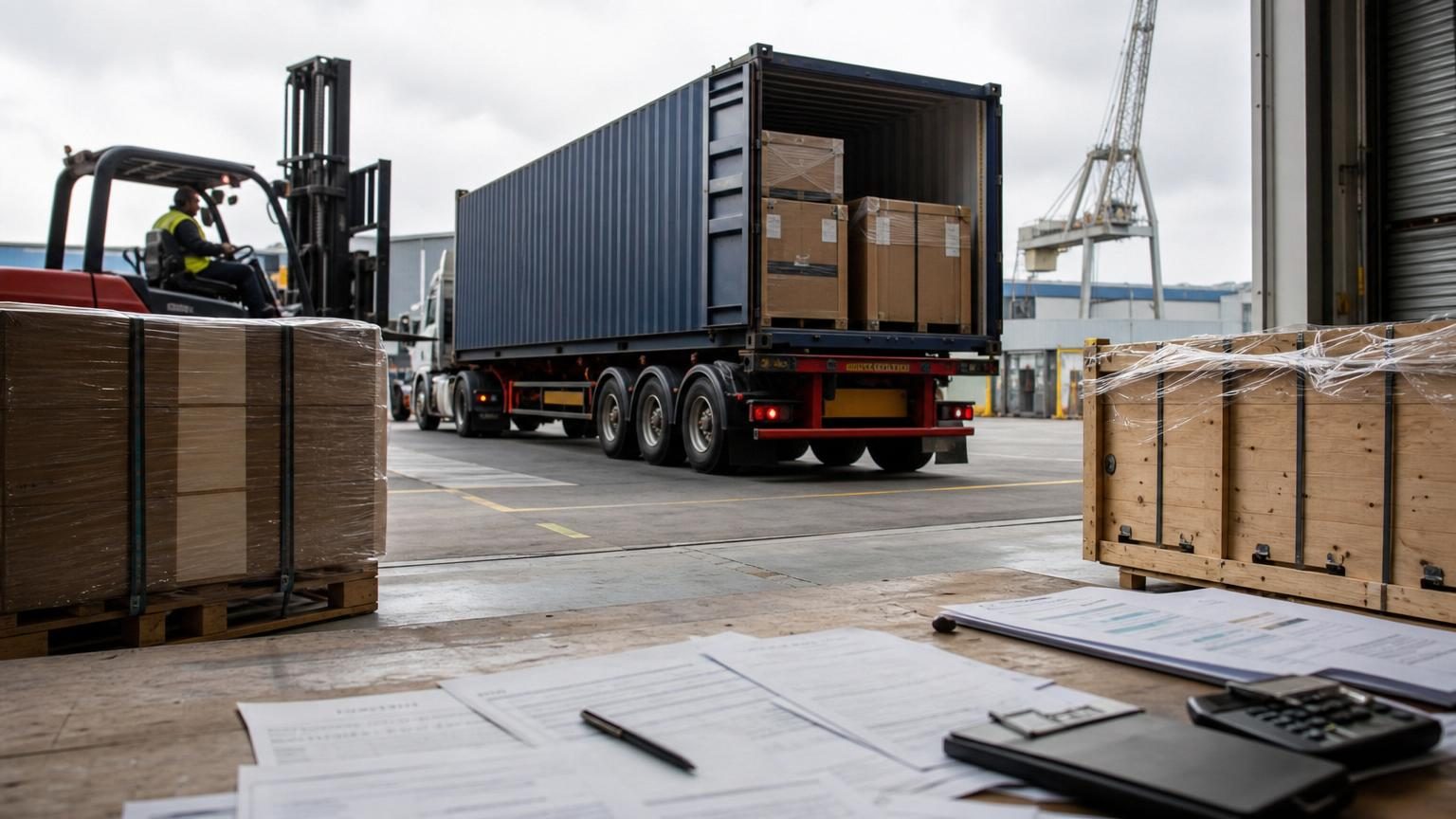
Full Container Load (FCL) and Less than Container Load (LCL) are two common options in sea freight logistics. FCL means you book an entire container exclusively for your cargo. LCL involves sharing container space with other shipments.
Cost Comparison
- FCL tends to be more cost-effective if you have a large volume of goods that fill or nearly fill a container.
- LCL can be more economical if your cargo volume is small since you only pay for the space you use.
However, with LCL, additional handling and consolidation fees may apply, potentially making it pricier for larger shipments.
Speed and Transit Times
- FCL shipments generally move faster. Since the container is sealed and handled directly, there are fewer delays.
- LCL shipments may take longer because consolidation and deconsolidation processes are involved. Your cargo must be grouped with others, which can add time.
Risk Considerations
- FCL offers better security and less handling, reducing the chance of damage or loss.
- LCL cargo is handled more frequently during consolidation and at destination, slightly increasing the risk of damage.
Volume and Control
- If your shipment fills a full container, FCL provides more control. Your goods remain separated and sealed.
- LCL suits smaller shipments but means sharing space and no exclusive container control.
When to Choose FCL or LCL
- Choose FCL if your cargo volume is close to filling a container (usually 14-16 cubic meters or more), if you need faster transit, or require higher security.
- Choose LCL if your shipment is smaller, you want to optimise costs for partial loads, or you have flexible timing.
Final Thoughts
The choice between FCL vs LCL shipping depends on your shipment size, timing needs, budget, and how much handling risk you can accept.
For tailored advice on whether FCL or LCL is better for your cargo, contact Jenkar. Our team can help you compare options and find the right balance of cost, speed, and security for your supply chain needs.