
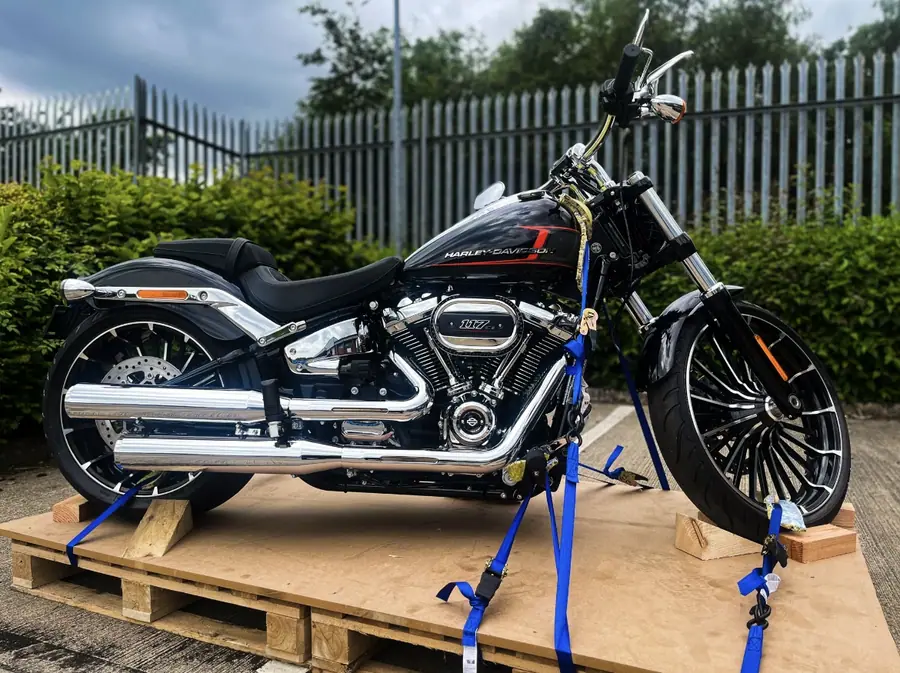
Plan international car shipping from the UK: compare RoRo and container methods, prepare documents and the vehicle, and understand cost factors.
How do you ship a car overseas from the UK?
Check the destination country will accept and register the vehicle, then provide its condition, dimensions, origin, destination and timing. A freight forwarder can compare available RoRo or container services and define the origin, customs and destination scope before booking.
- Check eligibility first
- Confirm destination import, registration, tax and technical rules before paying for transport.
- Choose the method
- RoRo can suit accepted running or rollable vehicles; container shipping adds enclosure but needs a feasible loading and securing plan.
- Prepare the documents
- Requirements vary, but the starting pack can include the V5C, proof of identity and ownership, vehicle details and customs information.
- Prepare the vehicle
- Remove undeclared belongings, record its condition, follow the booked carrier’s fuel and battery rules, and disclose modifications or non-running status.
- Compare the full cost
- Ask what the quote includes at origin and destination, including collection, port handling, customs, insurance and final delivery.
- Plan the handover
- Agree collection access, keys, condition records, available milestone updates and who will complete clearance and collect the vehicle.
Shipping a car from the UK starts with a destination check, not a vessel booking. Confirm that the vehicle can be imported, registered and used in the destination country, then compare a route and method around the actual vehicle, its condition and the services needed at both ends.
This guide explains the decisions and information that make an international car-shipping quote useful. It covers private vehicles, dealer exports, motorbikes and machinery, but the exact carrier, customs and destination rules always depend on the movement.
Before booking: can the vehicle be imported?
Ask the destination authority, customs agent or registration body whether the vehicle is eligible before paying for transport. Age, emissions, left- or right-hand drive, modifications, title history and technical standards can all affect whether a vehicle can be imported or registered.
Also establish:
- who will act as exporter and importer;
- whether the movement is a permanent export, temporary movement, sale or relocation;
- which taxes, duties or registration charges may apply;
- whether pre-shipment inspection or approval is required;
- which documents must be original rather than copies; and
- who will complete clearance and collect or receive the vehicle.
Shipping a vehicle to a port does not prove it can clear customs or be registered there. Put those responsibilities in writing before booking.
RoRo vs container shipping: what changes?
Most enquiries compare roll-on, roll-off (RoRo) with container shipping. Neither is automatically the cheapest, fastest or safest option. The right method depends on route availability, vehicle condition and dimensions, carrier rules, loading access, required enclosure and the complete origin-to-destination cost.
Roll-on, roll-off (RoRo)
On a RoRo service, an accepted vehicle rolls onto and off a purpose-built vessel using ramps. It can suit running cars and other rollable vehicles where the required route and ports offer a suitable service.
Before quoting, disclose whether the vehicle starts, steers, rolls and brakes. Carriers may also ask about leaks, alarms, immobilisers, modifications, ground clearance and keys. Personal belongings and loose cargo are usually restricted. Follow the written rules for the carrier and terminal named in the booking rather than assuming one universal preparation standard.
Container vehicle shipping
Container shipping encloses the vehicle and can suit selected classic, high-value or non-running vehicles, or movements that include additional cargo approved for the booking. It is not automatically feasible: the vehicle must fit through the container doors and inside the container, and the loading, unloading and securing methods need to work at both ends.
Provide exact dimensions, weight, ground clearance and clear photographs. The quote should state the container type, loading and securing scope, port handling and destination unloading. Additional goods must be declared and packed, documented and accepted before loading.
What about air freight?
Air freight can be considered for exceptional high-value or time-critical vehicles, but aircraft type, dimensions, weight, dangerous-goods information and specialist handling create significant constraints. It is not the default alternative to a sea service.
What car export documents are needed in the UK?
Document requirements depend on ownership, whether the vehicle is sold, the customs procedure and the destination. A useful starting pack commonly includes:
- the V5C registration certificate where applicable;
- proof of identity and address;
- proof of ownership or purchase;
- registration, VIN or chassis number, make, model and year;
- sale or commercial information needed for customs valuation;
- export or import declarations and supporting data where required;
- any destination approval, licence or inspection evidence; and
- the carrier's booking, shipping note and transport document.
An MOT certificate is not a universal export-shipping document. It may matter to a road movement or destination registration process, but that must be checked for the actual journey.
For a permanent export lasting 12 months or more, GOV.UK says the registered keeper must tell DVLA, complete the permanent-export section of the V5C and keep the remainder to register the vehicle abroad. Read the current GOV.UK guidance on taking a vehicle out of the UK before departure.
A customs declaration may also be required. The responsible party and declaration process depend on the movement, so check the GOV.UK export customs declaration guidance and agree whether the owner, seller, buyer, forwarder or customs agent supplies each piece of information.
How should a vehicle be prepared?
Preparation must follow the booked carrier's instructions. Do not rely on a generic fuel level or vehicle checklist found online.
Typical preparation includes:
- Remove personal belongings and undeclared loose cargo unless the booking explicitly allows them.
- Clean the vehicle enough to inspect and photograph its condition.
- Record dated photographs of every side, the interior, mileage and existing marks.
- Disclose modifications, alarms, immobilisers, fluid leaks and mechanical faults.
- Confirm whether it starts, steers, rolls and brakes.
- Follow the carrier's fuel, battery, electric-vehicle and key instructions.
- Secure or remove loose accessories where instructed.
- Keep documents and valuables with you unless the booking says otherwise.
For electric or hybrid vehicles, disclose the powertrain and battery condition at the start. Acceptance and dangerous-goods information can vary by carrier, mode and vehicle condition.
Plant and non-standard machinery need more detail: exact length, width, height and weight, operational status, tyre or track type, ground clearance, lifting or towing points, centre of gravity where relevant and access constraints at collection and delivery.
How much does international car shipping cost?
There is no reliable flat price for shipping a car overseas from the UK. A complete quote can include:
- collection or delivery to the UK port;
- RoRo freight or container capacity;
- loading, securing or crating;
- UK terminal and documentation charges;
- export declaration or customs-agent work;
- sea freight, surcharges and transhipment;
- optional cargo insurance;
- destination terminal, clearance and handling;
- duty, tax, registration or inspection charges; and
- collection from the destination port or final delivery.
Vehicle size, weight, running status, route, ports, season, carrier capacity and timing affect the available method and price. Compare quotes on the same scope. Ask what is included, excluded, payable locally and subject to later confirmation.
Carrier liability is not the same as insurance for the vehicle's full value. If loss or damage cover matters, ask for the basis, insured value, exclusions, excess, geographic scope and claims evidence before accepting optional cargo insurance.
Who handles customs and destination delivery?
A freight forwarder can coordinate transport and agreed customs services, but cannot replace the owner's or importer's legal responsibilities. The shipper must provide complete and accurate vehicle, ownership, valuation and trade information.
Jenkar's customs-clearance service can be scoped for relevant UK import or export declarations. Destination clearance and delivery may be coordinated through a partner where available and agreed. The written quote should name:
- who acts as exporter and importer;
- who supplies each document and data point;
- who submits each declaration;
- who pays duty, tax and local charges;
- where risk and responsibility transfer; and
- where and how the vehicle will be handed over.
Do not assume destination port charges, taxes or final delivery are included because the quote says port-to-port or door-to-door. Request an itemised scope.
What should you send for a vehicle-shipping quote?
Send these details once so every provider prices the same movement:
- make, model, year and VIN or chassis number;
- registration and ownership or purchase status;
- running, steering, rolling and braking condition;
- exact dimensions and weight for plant or non-standard vehicles;
- vehicle value and any modifications;
- collection location, destination and preferred ports if known;
- ready date and required handover timing;
- photographs and access constraints;
- any personal items or additional cargo proposed; and
- the origin and destination customs or delivery services required.
Missing or estimated details create assumptions that can change the method or price later. For heavy plant, photographs alone are not a substitute for verified dimensions and weight.
How to choose a vehicle-shipping provider
Look for a provider that explains the movement rather than promising a universal result. A useful proposal should identify the proposed carrier method, route, vehicle assumptions, document list, origin and destination charges, customs parties, condition evidence, insurance position and handover.
Ask what happens if the carrier rejects the vehicle, the measurements change, customs information is incomplete or the destination party cannot collect. Clear exclusions and recovery steps are more valuable than vague claims of guaranteed delivery or continuous location data on every route.
Plan international car shipping with Jenkar
Jenkar Shipping coordinates vehicle movements from the UK for private owners, dealers and businesses, subject to route and carrier acceptance. Share the vehicle, running status, dimensions where relevant, origin, destination, value and timing through the vehicle quote form. The team will identify missing information, compare feasible options and return a shipment-specific scope for review.
For related planning, see Jenkar's sea freight, customs clearance, project cargo and Wakefield warehousing services.